
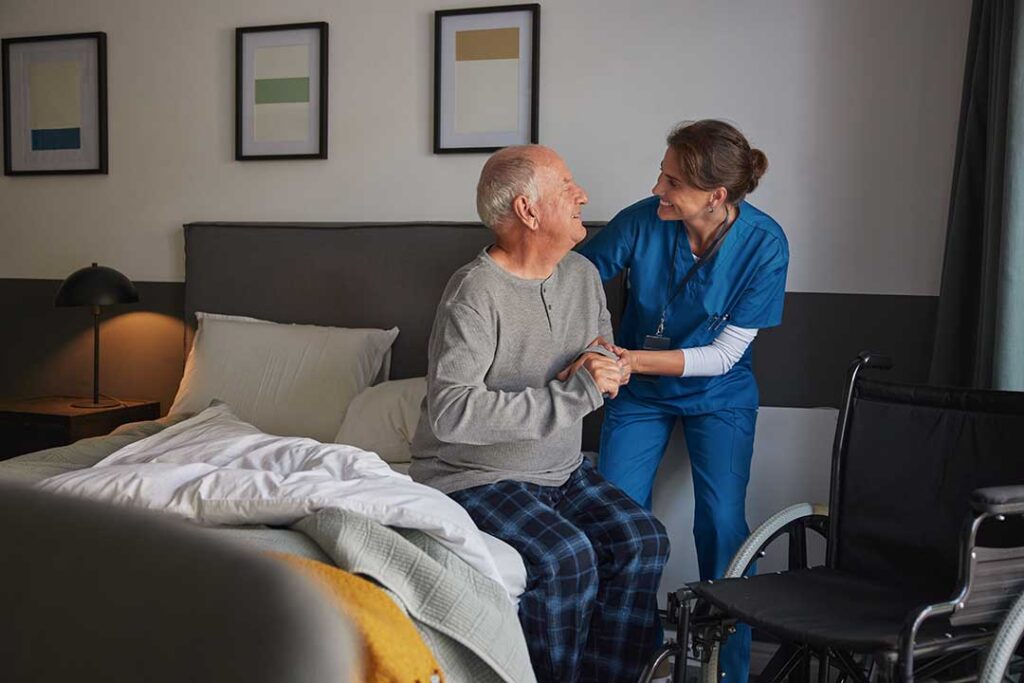
Assisted living is designed to provide support with daily needs while allowing residents to remain involved in decisions, routines, and relationships. For many older adults, the goal is not to give up independence but to make everyday life safer, more manageable, and less tiring.
In Warren, PA, seasonal weather, rural travel distances, changing housing needs, and the desire to remain connected with familiar people can all influence whether assisted living feels appropriate. Understanding how support works can help residents and families make thoughtful decisions without assuming that assistance means losing control.
What does independence mean in assisted living?
Independence means having meaningful control over daily life, even when help is needed with certain tasks. A resident may receive assistance with medication reminders, bathing, dressing, meals, or transportation while still choosing how to spend the day.
Independence can include:
- Choosing when to wake up, eat, rest, or participate in activities
- Selecting clothing, meals, hobbies, and social opportunities
- Deciding how much assistance is needed
- Maintaining personal relationships and spiritual practices
- Managing personal belongings and private space
- Participating in care planning and health-related decisions
This differs from doing every task alone. A person may be more independent overall when the right support reduces exhaustion, prevents falls, or makes it possible to continue activities that have become difficult at home.
How does assisted living provide help without taking over?
Assisted living generally begins with an assessment of a resident’s abilities, preferences, health concerns, and daily routines. Support can then be adjusted to match actual needs rather than assuming every resident requires the same level of care.
For example, one resident may need help organizing medications but handle dressing and personal hygiene independently. Another may need assistance with showering or transferring but remain fully capable of choosing meals, participating in activities, and managing personal conversations.
This approach is sometimes called person-centered care. The focus is on what a resident can do, what the resident wants to continue doing, and where assistance can reduce unnecessary risks.
Support may be:
- Occasional, such as help with a shower
- Routine, such as medication reminders
- Available as needed, such as assistance during the night
- Increased temporarily after illness, injury, or hospitalization
- Reassessed when abilities or health conditions change
The purpose is to provide enough help to support safety and comfort without automatically replacing a resident’s abilities.
Can residents keep their own routines?
In many assisted living settings, residents can maintain familiar habits within the community’s schedule and safety requirements. Keeping regular routines may support confidence, orientation, sleep, and emotional well-being.
A resident might continue enjoying an early morning coffee, reading the newspaper, attending worship, doing light gardening, watching favorite programs, or visiting with family. Some people prefer a quiet schedule, while others enjoy group activities and shared meals.
The transition may be easier when residents bring familiar furniture, photographs, blankets, books, or other personal items. These belongings can make a new apartment or suite feel more personal and help preserve a sense of identity.
Residents and families should ask how flexible the daily schedule is, including:
- Whether residents may choose between meal options
- How personal activities are accommodated
- Whether visitors can come at convenient times
- How transportation is handled
- Whether residents may participate in household tasks or hobbies
- How private time is respected
Does assisted living improve safety?
It can improve safety by addressing common hazards and by making help available before a small problem becomes a serious one. Falls, missed medications, dehydration, poor nutrition, and difficulty responding to emergencies are frequent concerns for older adults living alone.
Safety support may include accessible bathrooms, emergency response systems, well-lit hallways, assistance with mobility, regular meals, and staff availability. The exact features vary, so families should examine how safety procedures work in practice rather than relying only on general descriptions.
For residents in Warren, winter conditions can add practical concerns. Snow, ice, reduced daylight, and cold temperatures may make outdoor walking, driving, shopping, and home maintenance more difficult. Assisted living can reduce some of these burdens by providing indoor access to meals, social activities, and routine support.

Safety should not mean unnecessary restriction. A balanced approach considers both reasonable precautions and the resident’s right to make everyday choices.
How can assisted living reduce the workload of home maintenance?
Household responsibilities can gradually interfere with independence. Tasks such as shoveling snow, carrying laundry, maintaining heating systems, preparing every meal, or managing repairs may become physically demanding or stressful.
When these responsibilities are handled through the living arrangement, residents may have more energy for meaningful activities. The benefit is not simply convenience. Reducing physically risky or exhausting chores can help a person remain active in other areas of life.
This may be especially relevant for people who live in older homes, have stairs, or are responsible for large outdoor areas. It can also help families who live at a distance and cannot reliably provide transportation or maintenance support during every season.
What role do medications and health needs play?
Medication support can protect independence by helping residents follow prescribed routines accurately. Depending on the setting and the resident’s needs, assistance may involve reminders, storage, administration, or communication with health care professionals.
Residents should understand who manages medications, how changes are documented, and what happens if a dose is refused or missed. Clear procedures are particularly important for people taking several medications or managing conditions that affect memory, balance, blood pressure, or blood sugar.
Assisted living is not the same as a hospital or a skilled nursing setting. A person whose needs involve frequent medical monitoring, complex treatments, or extensive physical assistance may require a different level of care. Needs can change, so care plans should be reviewed when there is a noticeable decline, repeated fall, new diagnosis, or change in mobility.
How does social connection support independence?
Social connection is part of practical independence because isolation can affect mood, appetite, activity levels, and willingness to ask for help. Assisted living can make social contact easier by placing meals, activities, and shared spaces within a short distance.
Residents can choose their level of participation. Some may enjoy regular group programs, while others prefer small conversations, quiet common areas, or visits with family. Social opportunities should complement personal choice rather than pressure residents to participate.
Maintaining connections outside the residence also matters. Phone calls, visits, letters, video conversations, religious observances, and community involvement can help residents preserve important relationships and routines.
What should families ask before a move?
A useful discussion focuses on how independence is supported in daily practice. Families may ask:
- How are residents involved in care decisions?
- What tasks can residents continue doing on their own?
- How is assistance increased or reduced over time?
- What happens after a fall, illness, or hospital stay?
- Are residents allowed to choose meal times or activities?
- How are privacy, personal belongings, and visitors handled?
- What transportation options exist for errands or appointments?
- How are winter weather and emergency conditions managed?
- How are families informed about changes in health or behavior?
Residents should also be included in these conversations whenever possible. A move is more likely to support independence when the person receiving care has a clear voice in the plan.
Assisted living works best when support is viewed as a tool, not a replacement for personal choice. With appropriate assistance, residents may be able to conserve energy, reduce avoidable risks, remain socially connected, and continue making decisions about the life they want to lead.
